
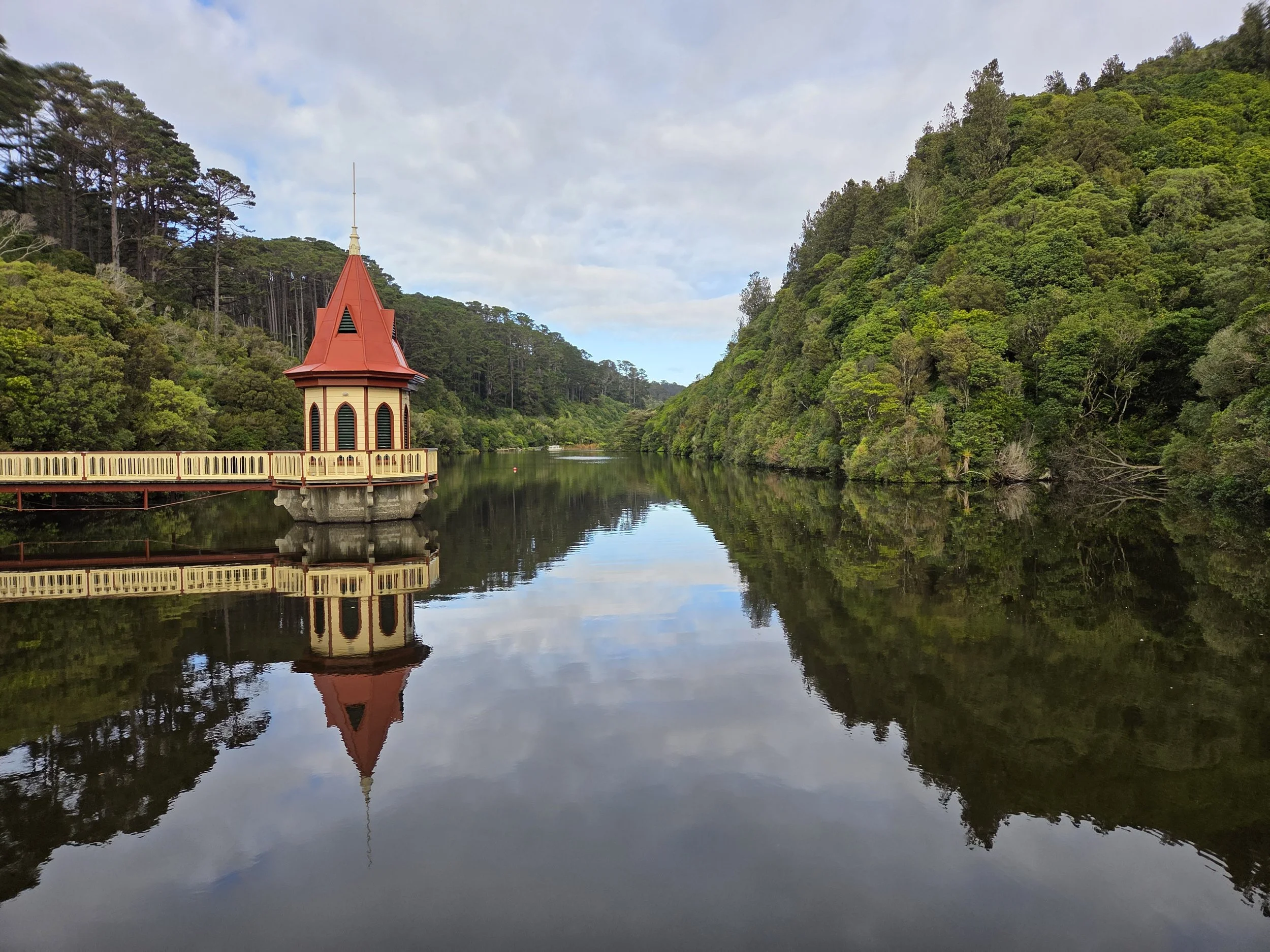
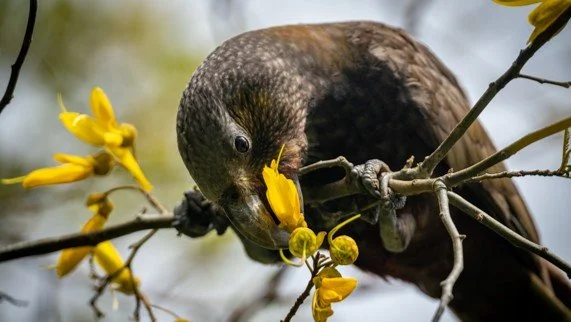
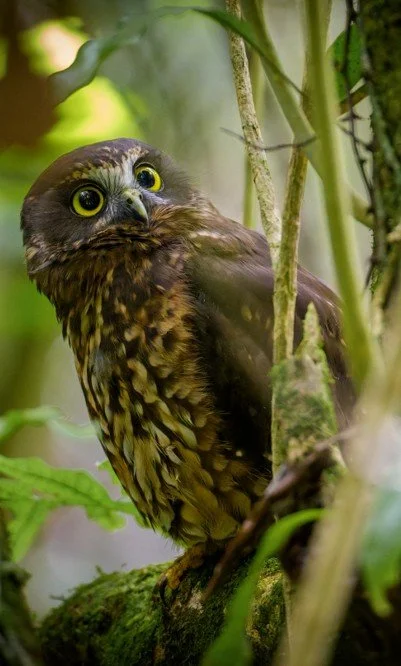
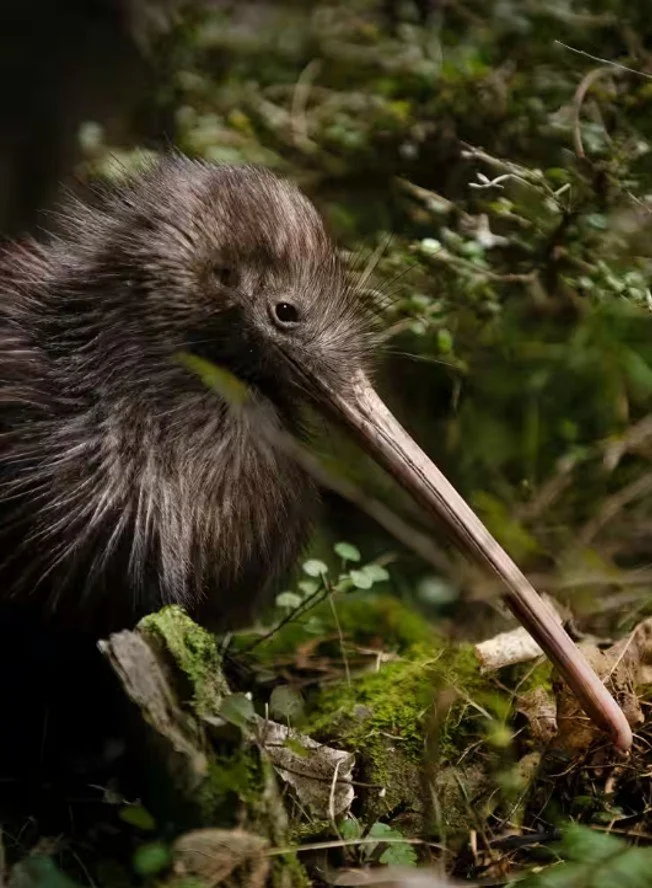
Zealandia Te Māra a Tāne was the world’s first fully fenced urban ecosanctuary. It offers visitors a place to relax and enjoy the many benefits of being in nature. But Zealandia has a purpose beyond these benefits it has a 500-year vision to create a fully operational ecosystem as is close as possible to the one that existed prior to the arrival of any humans. It has been operating for 25 years, and it has made a significant difference to Wellington’s biodiversity. Thanks to Zealandia we are one of the few cities in the world where biodiversity is increasing. Wellingtonians take enormous pride in the increasing number of native birds they see around them which has led to their massive support of conservation efforts such as Predator Free Wellington and Capital Kiwi.
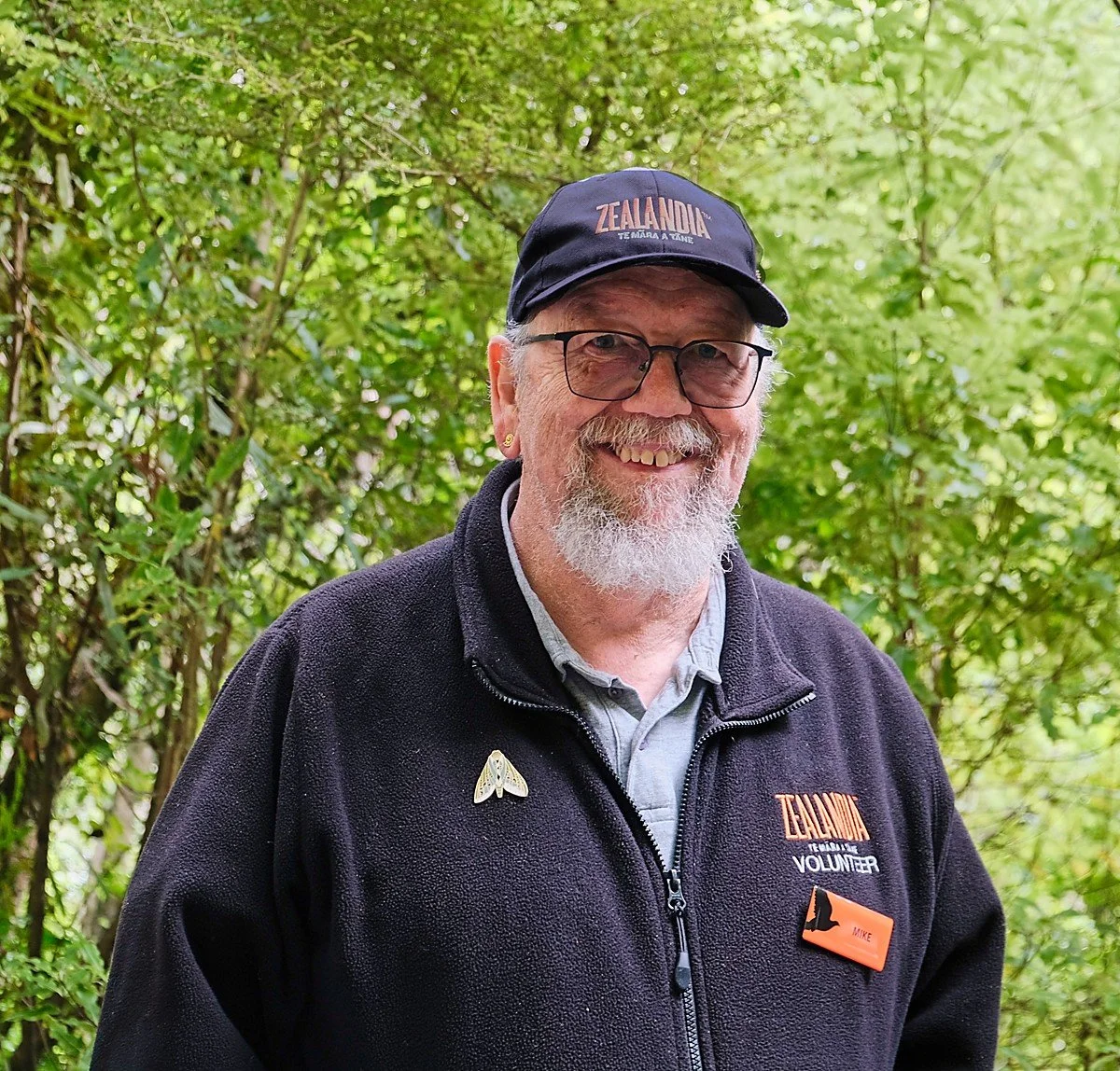
Mike Hannah
Mike is a former Associate Professor in Palaeontology and Geology at Te Herenga Waka – Victoria University of Wellington. As part of his research, he was fortunate enough to be involved in two major Antarctic drilling projects investigating the history of the Antarctic ice sheets. In 2021 he published a book, Extinctions where he set the current biodiversity crisis into its historical context, comparing it with the ancient mass extinctions recorded in the fossil record and stressing the importance of preserving our current biodiversity. After retirement, Mike joined Te Māra a Tāne-Zealandia as a volunteer and guide.
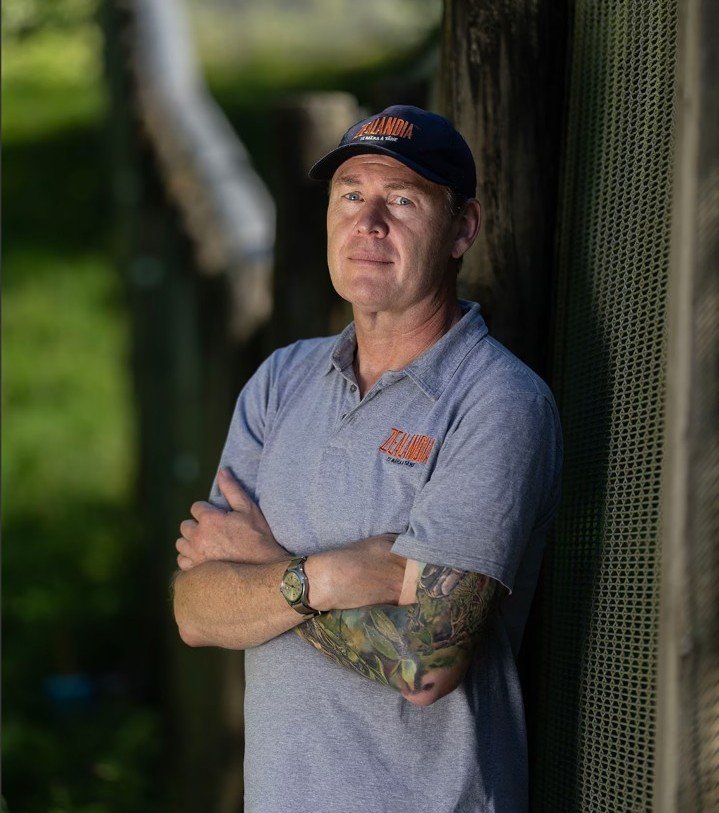
Scott Langdale
Scott is a sustainability and environmental education professional with a deep background in Earth sciences, project leadership, and science communication. After two decades leading geoscience and energy projects across the South Pacific, he has shifted focus toward helping people and organisations understand, and act on, the challenges of environmental sustainability. Today, his work spans education, engagement, photography and strategy: from guiding international visitors through Aotearoa’s wildlife sanctuaries to photographing unique wildlife and supporting the development of evidence-based sustainability practices.
Photo Credits; Scott Langdale